

To understand the significance of the six helmets introduced in the previous article, it is necessary to understand the owners most closely associated with them. I was happy that some of you have already committed to acquiring one, so I thought it would make sense to provide a quick overview of the clan.
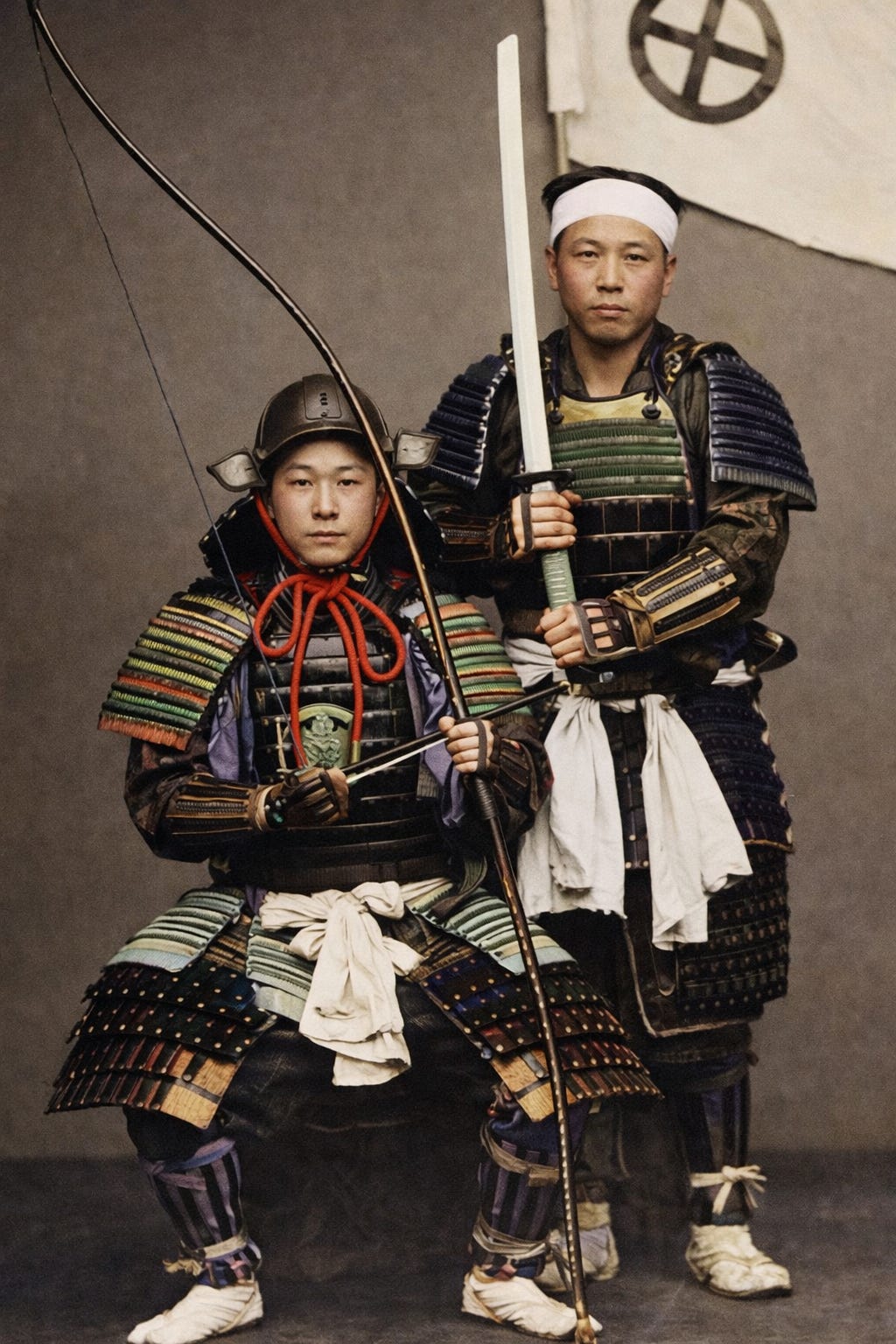
The Shimazu were one of the most powerful and enduring warrior families in Japanese history. Their story stretches back centuries before the great battles of the late Sengoku period, yet it was during the final decades of the sixteenth century that the clan reached both the height of its power and the most dangerous moment of its existence.
The Shimazu ruled the southern provinces of Kyūshū, centred on Satsuma. For generations they had maintained a reputation as formidable warriors and skilled political survivors. While other clans rose and fell during the long conflicts of the Sengoku period, the Shimazu steadily expanded their influence across southern Japan.
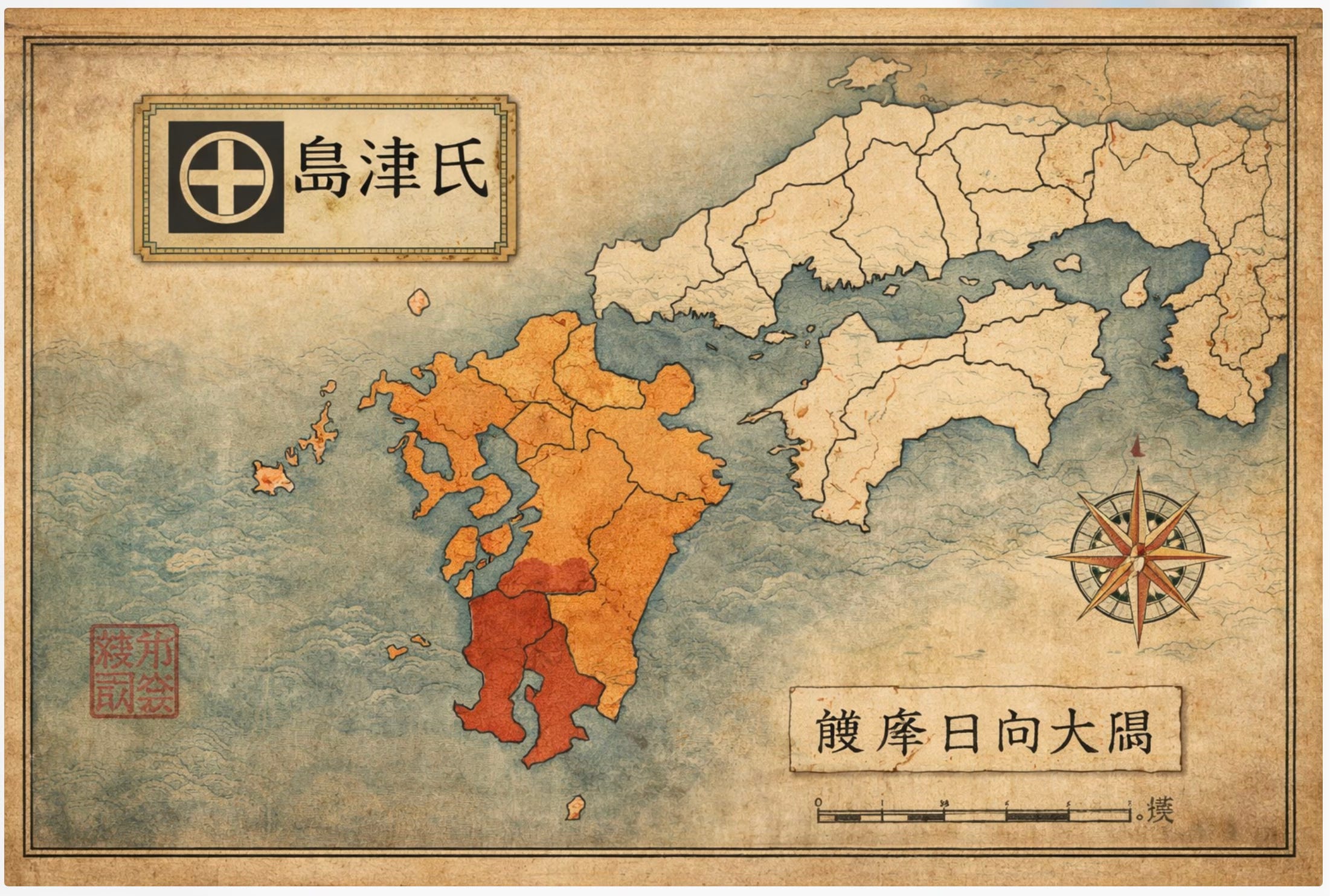
By the 1580s the clan had become the dominant military power in Kyūshū.
Under the leadership of Shimazu Yoshihisa and his brothers, the clan embarked on an ambitious campaign of expansion. Their armies moved across the island, defeating rival warlords and bringing large areas under Shimazu control. At their height they governed most of Kyūshū and commanded a powerful and experienced military force.
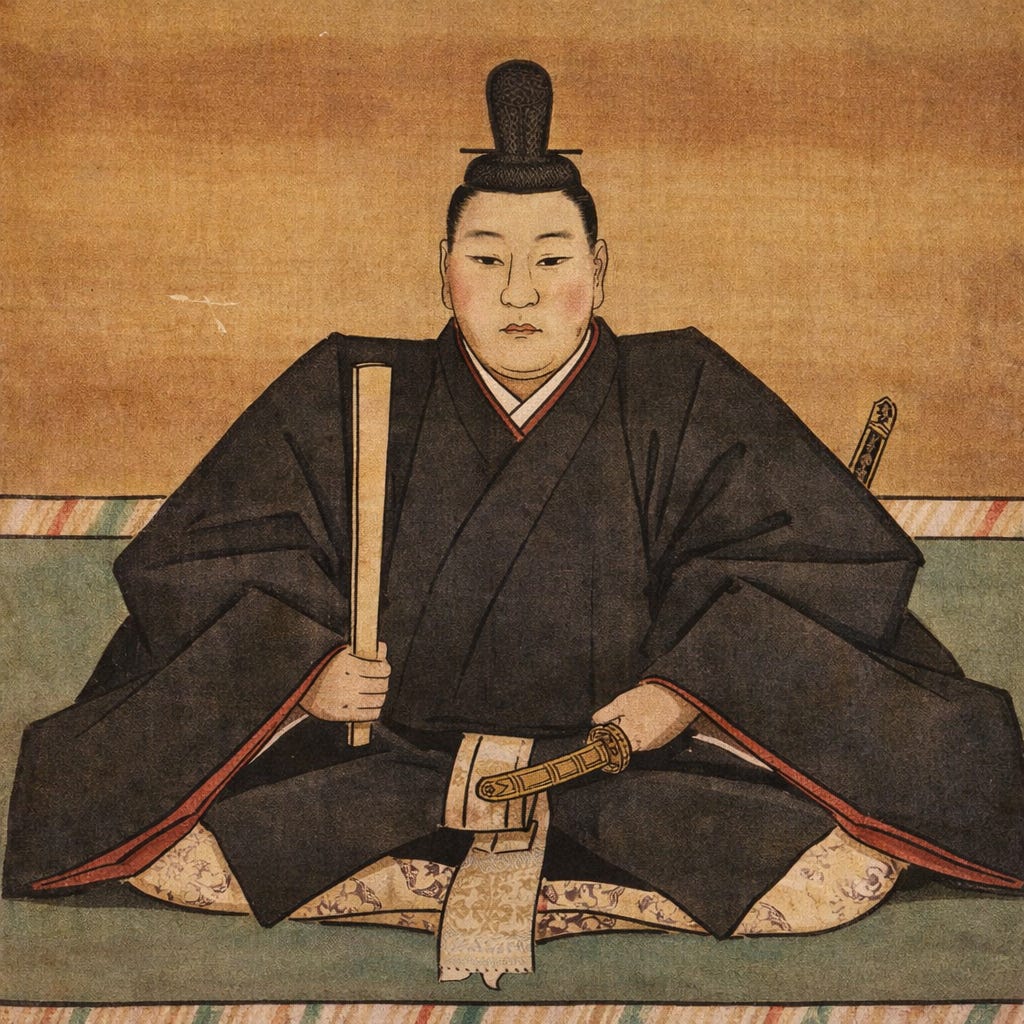
This rise inevitably brought them into conflict with the man who was unifying Japan.
In 1587 Toyotomi Hideyoshi launched a massive campaign against the Shimazu in what became known as the Kyūshū Campaign. Hideyoshi’s army was overwhelming in size, drawing forces from across the country. Faced with such numbers, the Shimazu were ultimately forced to submit.
Yet the outcome was far from disastrous for the clan.
Hideyoshi recognised both their strength and their usefulness. Rather than destroy the Shimazu, he confirmed them as daimyō of Satsuma, allowing the clan to retain its domain and much of its power.
The Shimazu therefore entered the final years of the sixteenth century as one of the great regional powers of Japan.
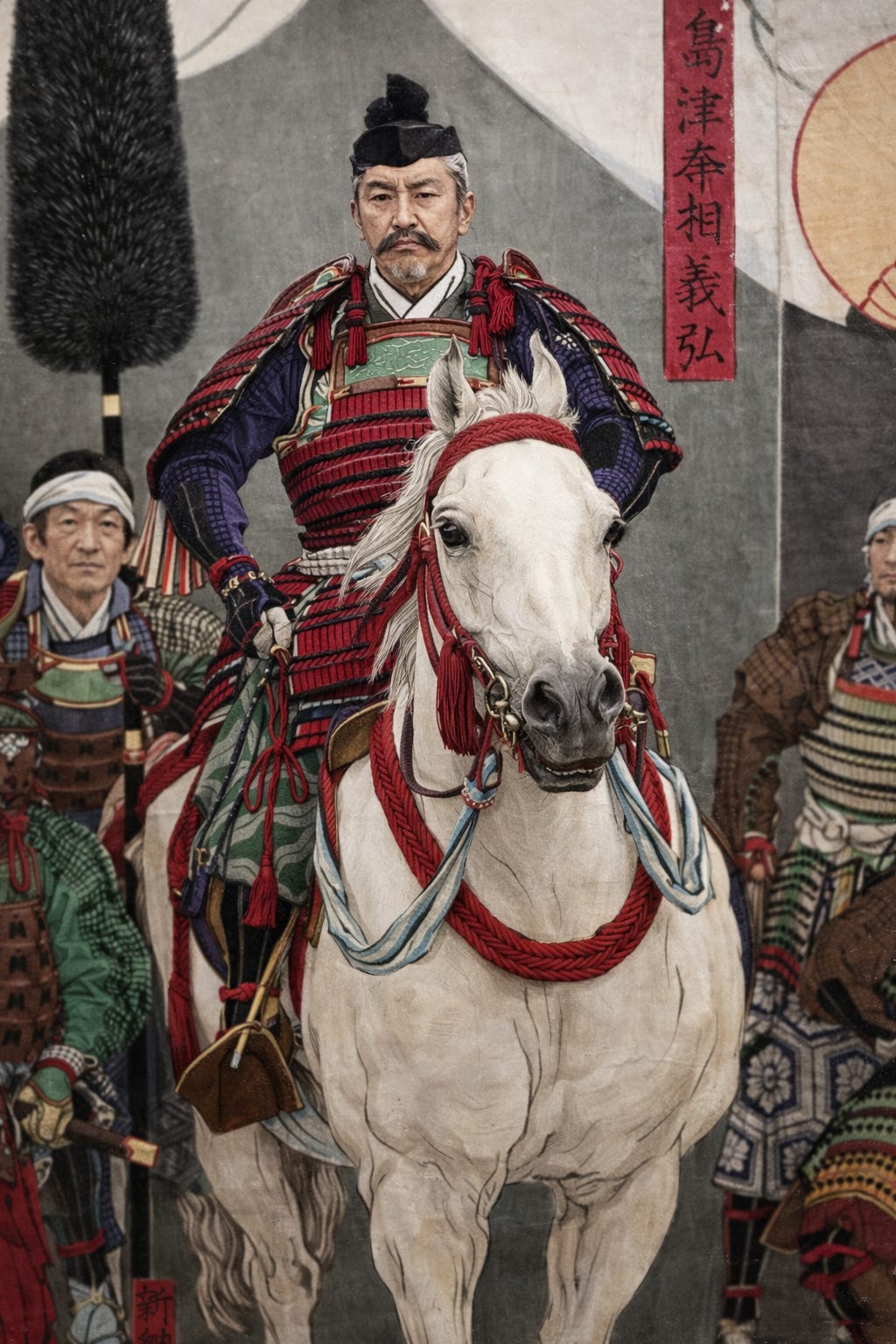
When Toyotomi Hideyoshi died in 1598 the fragile political balance he had created quickly began to collapse. Rival factions formed around the question of succession, and the country moved once again toward war.
Two great coalitions emerged.
On one side stood Tokugawa Ieyasu, the most powerful daimyō in eastern Japan. Opposing him was a coalition of western lords led by Ishida Mitsunari, who sought to preserve the Toyotomi political order.
The Shimazu aligned themselves with the western army.
This decision would lead them directly to one of the most famous battles in Japanese history.
In October 1600 the opposing forces met at Sekigahara, a valley in central Japan that would decide the fate of the country. The battle began in the morning and by midday the balance had already begun to shift.
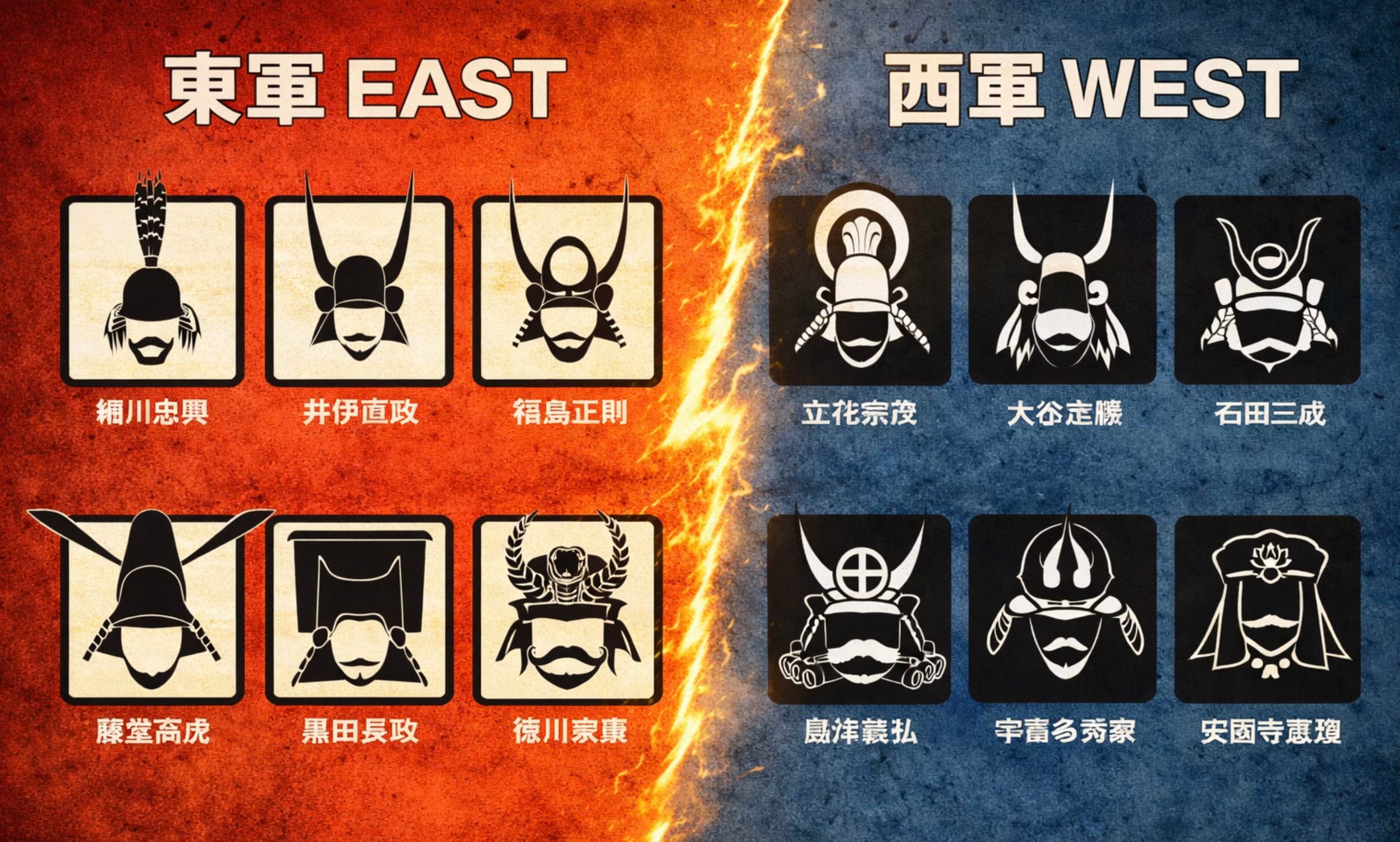
Several western commanders betrayed their allies and joined the Tokugawa side. As the western army collapsed, the Shimazu forces found themselves increasingly isolated.
What followed has become one of the most remarkable episodes of the battle.
Rather than surrender, the Shimazu executed a fighting withdrawal directly through the enemy lines. Led by Shimazu Yoshihiro, their warriors charged through the surrounding Tokugawa forces in a desperate breakout attempt.
The retreat was brutal and costly. Many senior retainers sacrificed themselves to allow Yoshihiro to escape, turning repeatedly to face the pursuing enemy in acts of deliberate self sacrifice.
Against considerable odds the Shimazu managed to break free and return to Satsuma.
Although Sekigahara ended in victory for Tokugawa Ieyasu, the Shimazu had preserved both their lord and their domain.
In the years that followed Japan entered the long peace of the Edo period under Tokugawa rule. The great wars of the Sengoku era came to an end and the samurai class gradually transformed from battlefield warriors into administrators and officials.
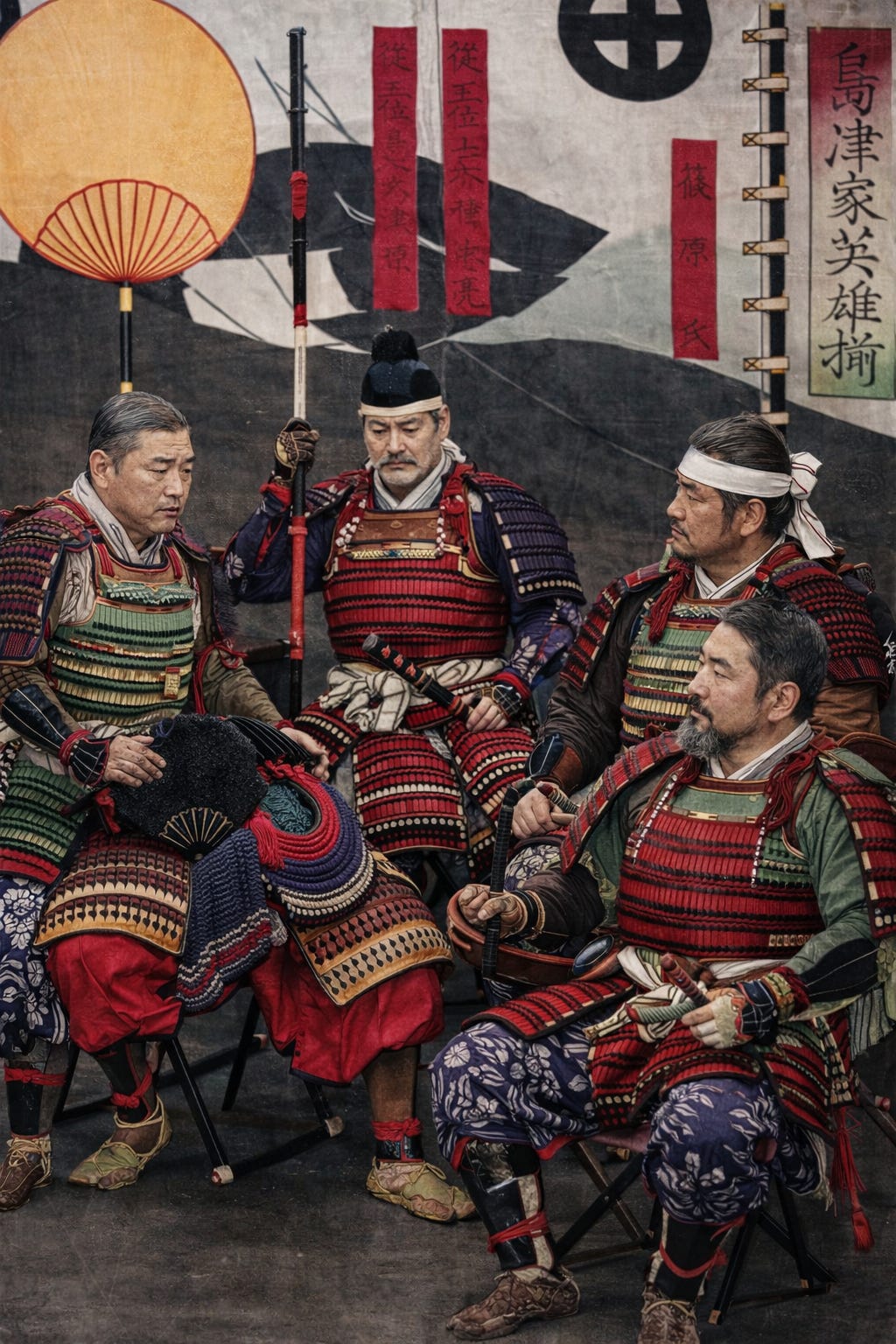
The Shimazu, however, remained an unusually independent power within the new political order.
Their domain in Satsuma was large, wealthy and geographically distant from the Tokugawa centre of power in Edo. Over time the clan developed a reputation for maintaining a strong martial tradition even as many other domains settled into the quieter rhythms of the new age.
The early decades of the seventeenth century were therefore a period of transition.
Many of the weapons and armour produced in the final years of the Sengoku period remained in use. Helmets such as the kasu momonari kabuto discussed in this series belong precisely to this moment in history, standing at the boundary between an age of constant warfare and the long peace that followed.
The Shimazu would continue to play important roles in Japanese history long after the battlefields had fallen silent. Their domain remained influential throughout the Edo period and, centuries later, Satsuma would become one of the driving forces behind the political upheavals that eventually brought the Tokugawa shogunate to an end.
In 1868 the Meiji Restoration transformed Japan once again. Within a few years the samurai class itself was formally abolished, bringing to a close a social order that had shaped Japanese society for centuries.
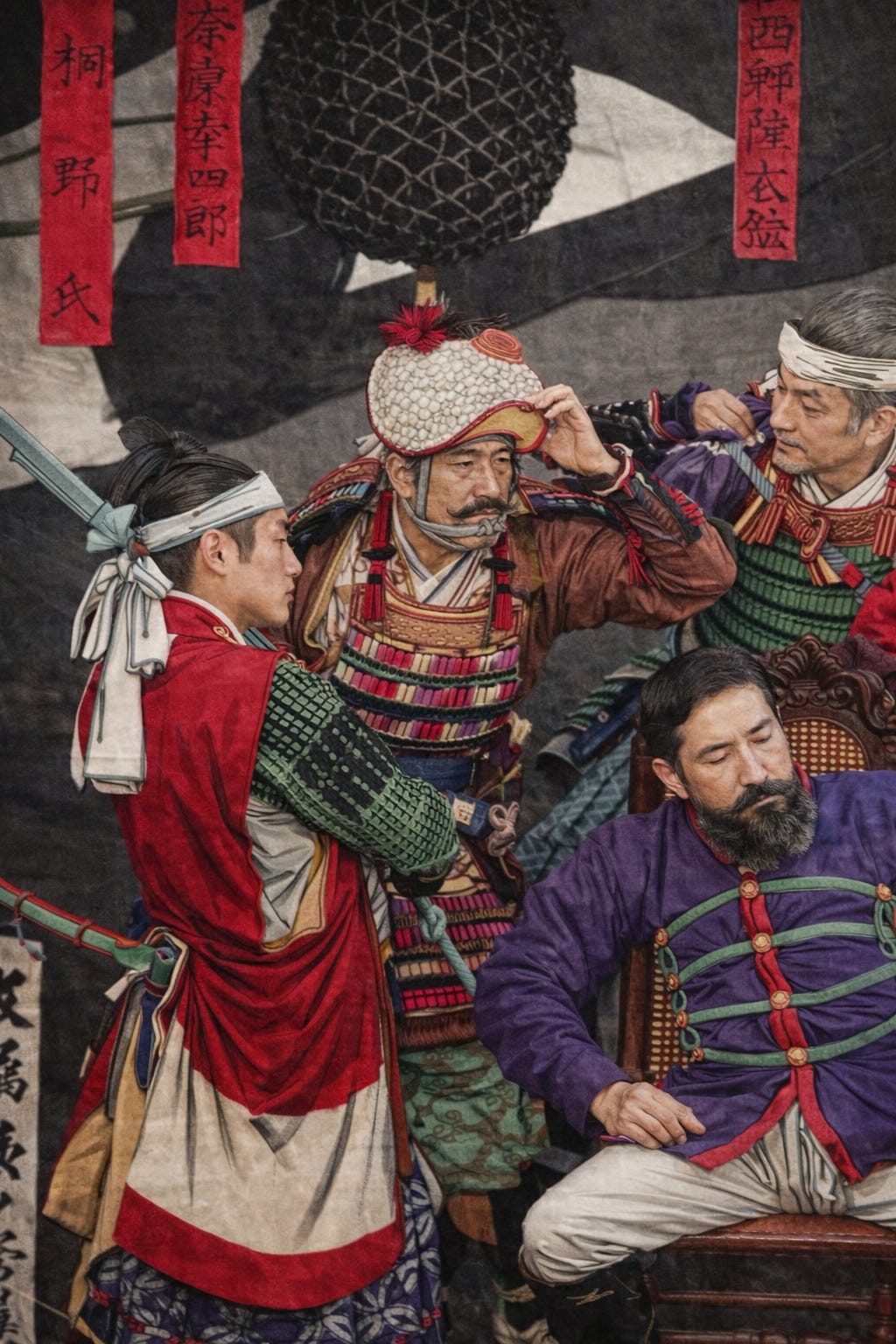
Yet the objects they once used still remain.
Helmets such as the six discussed in this series were created in a very different world, when the fortunes of great clans were decided on the battlefield and the outcome of a single day could determine the future of an entire country.
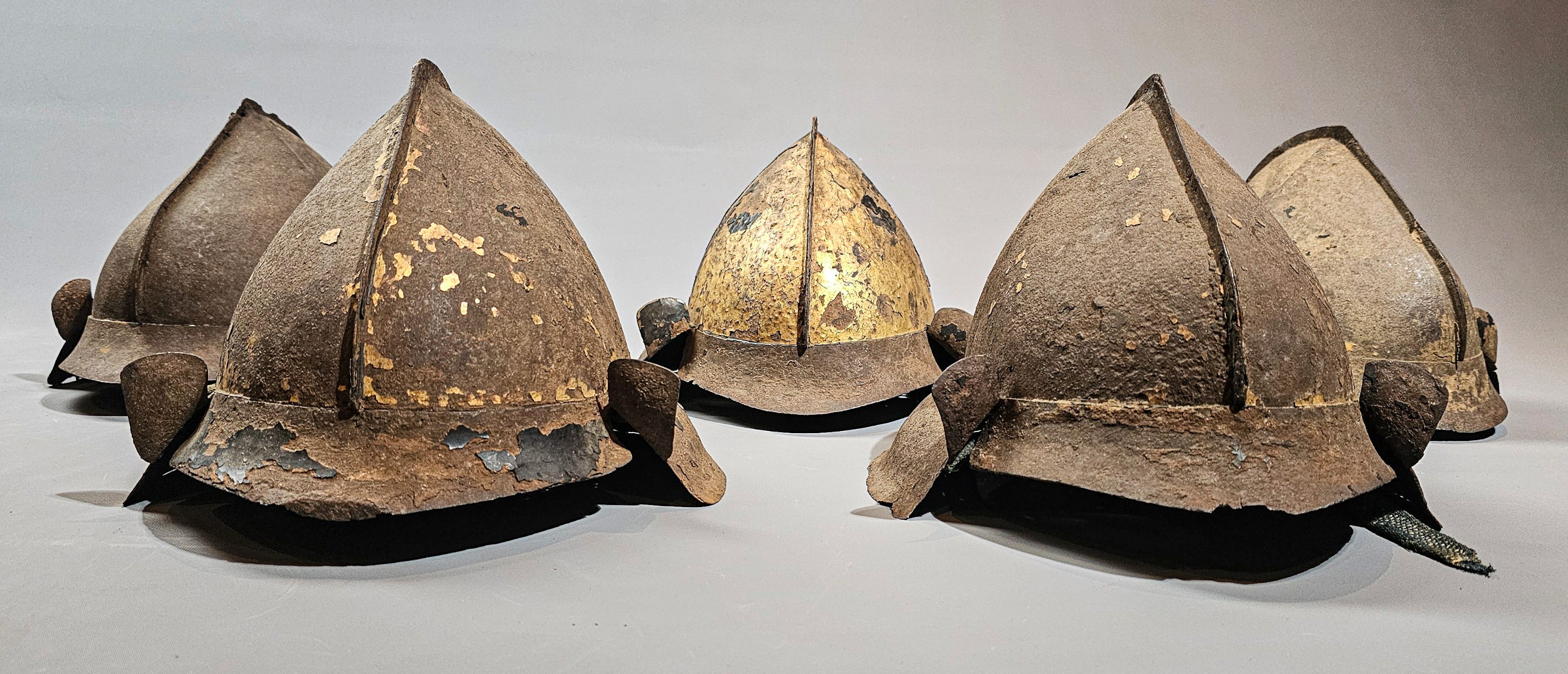
In the next article we will return to the helmets themselves and begin to examine the construction and surviving details that reveal how they were originally made.
Another interesting post, thank you. I have an interesting Shimazu lacquer portable document desk/sword stand. Tried posting a picture of it in comments but couldn’t figure out how.
Another interesting article accompanied by excellent photos. Much in the articles is not well known or necessarily easy to find. The time and effort put into these articles is much appreciated.
John