

Musha Shugyō: The Reality Behind the Wandering Warrior
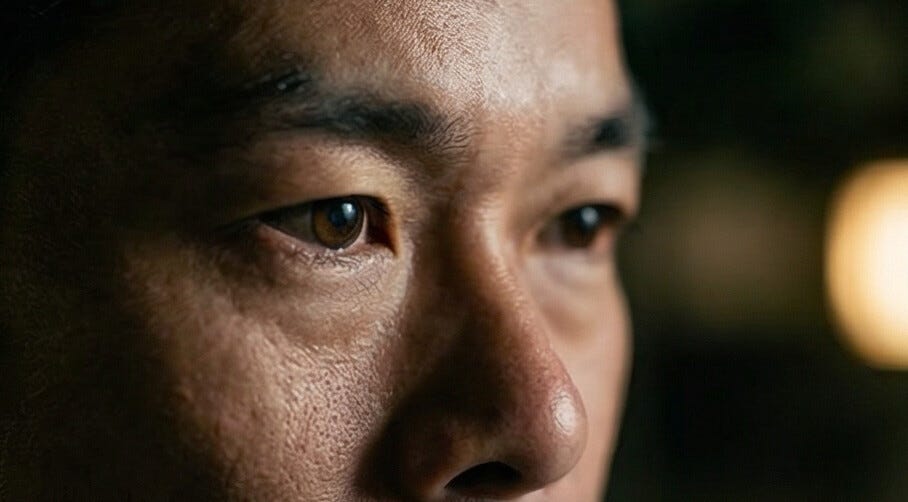
Few ideas in samurai history have been polished up and romanticised as thoroughly as musha shugyō. Mention it today and many people picture a lone swordsman wandering across Japan in search of duels, hardship and enlightenment. It is a fine image, but it also simplifies the subject. In historical terms, musha shugyō was not simply wandering with a sword. It was a serious form of martial development shaped by travel, study, challenge and contact with the wider world of warriors, teachers and schools.
What Did Musha Shugyō Mean?
The term musha shugyō (武者修行) is usually understood as warrior training or warrior discipline. Musha means warrior, while shugyō suggests austere practice, disciplined study, and improvement through effort. This was not casual training. It implied hardship, testing and deliberate self-improvement through experience.
In practical terms, it often meant leaving home to train beyond the limits of one’s own immediate circle. A warrior might travel to visit other teachers, observe unfamiliar methods, seek instruction, or test his skill against practitioners of other traditions. So while the image of the wandering swordsman is not entirely false, musha shugyō is better understood as disciplined martial development through movement, encounter and comparison.
A World of Schools, Teachers and Rival Methods
A warrior undertaking musha shugyō was not travelling through an empty landscape. He was moving through a world shaped by martial lineages, local reputations and established schools of teaching. Swordsmanship in Japan was not one single fixed tradition. It was preserved and transmitted through ryūha, schools or lineages, each with its own teachings, methods and claims to authority.
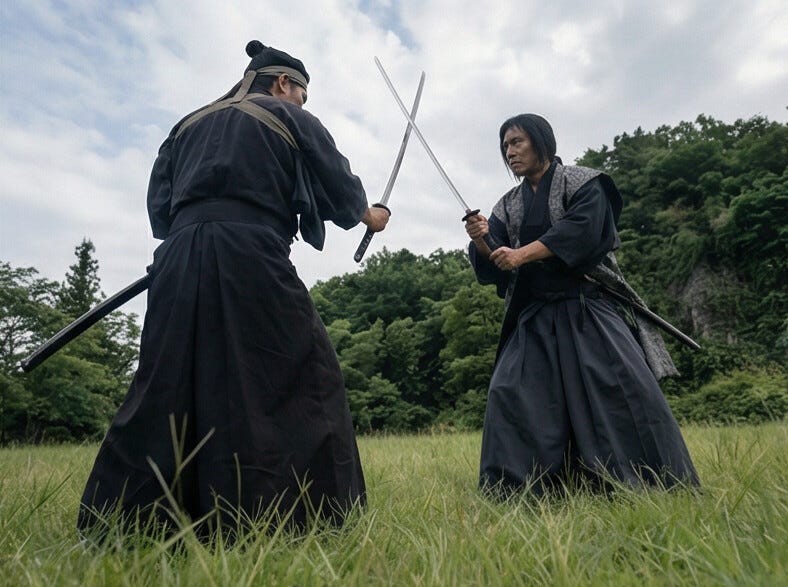
That matters, because a swordsman on the road was not merely meeting new opponents. He was encountering different ways of thinking. One school might emphasise direct initiative and decisive attack. Another might favour timing, control of distance, deception or restraint. Travel therefore meant more than motion. It meant stepping outside the assumptions of one’s own training and discovering whether they still held up when tested against other traditions.
Schools, Lineages and Martial Identity
By the time musha shugyō had become firmly embedded in the martial imagination, Japan already had a number of recognised sword traditions, each with its own methods, teachings and authority. A warrior travelling in search of instruction or testing would therefore encounter not just individual swordsmen, but whole lineages of thought.
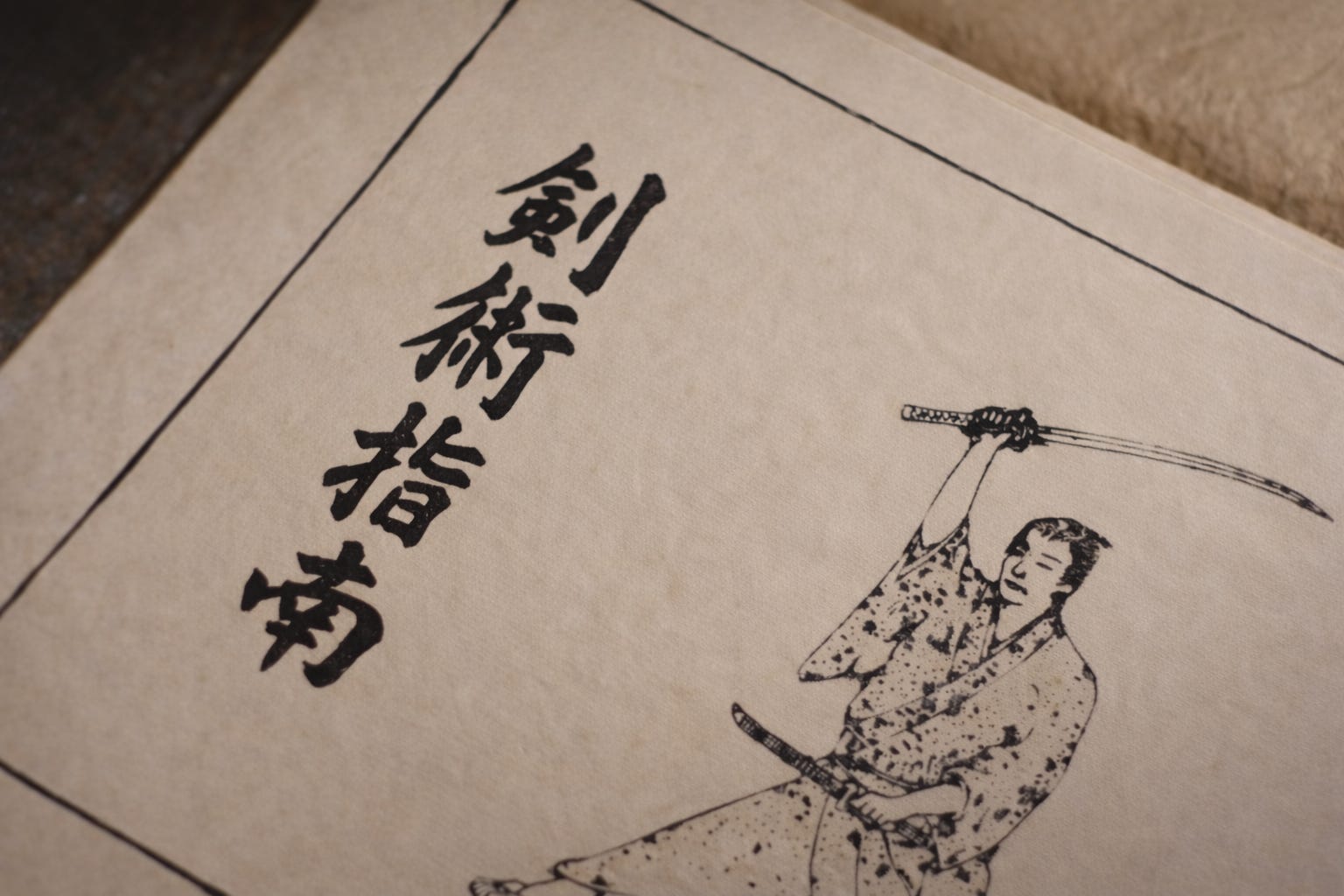
Among the best known were traditions such as Nen-ryū, one of the older and most influential sword lineages, and Shinkage-ryū, developed through the teaching of Kamiizumi Nobutsuna and later carried forward by figures such as Yagyū Muneyoshi. Later schools such as Ittō-ryū, associated with Itō Ittōsai, would become highly influential in the early Edo period.
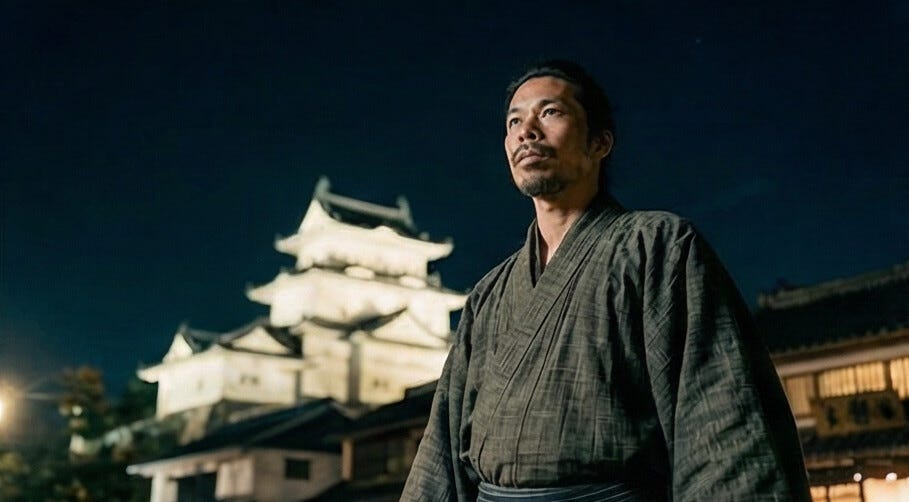
These schools were not interchangeable. Each preserved its own approach to timing, initiative, movement and the management of distance. To travel between them was to discover that swordsmanship was not one fixed body of knowledge, but a field of competing interpretations. In that world, musha shugyō was more than personal trial. It was also a way of measuring one school against another, and of seeing whether one’s own training could survive outside the comfort of its home reputation.
What Did a Warrior Actually Do?
Within this world of schools and lineages, musha shugyō could take many forms. Some warriors travelled with introductions, visiting known teachers and established schools. Others sought challenge matches, formal or informal, in order to measure themselves against swordsmen shaped by different traditions. In some cases, travel meant extended study under a respected master. In others, it involved shorter periods of observation, exchange and testing.
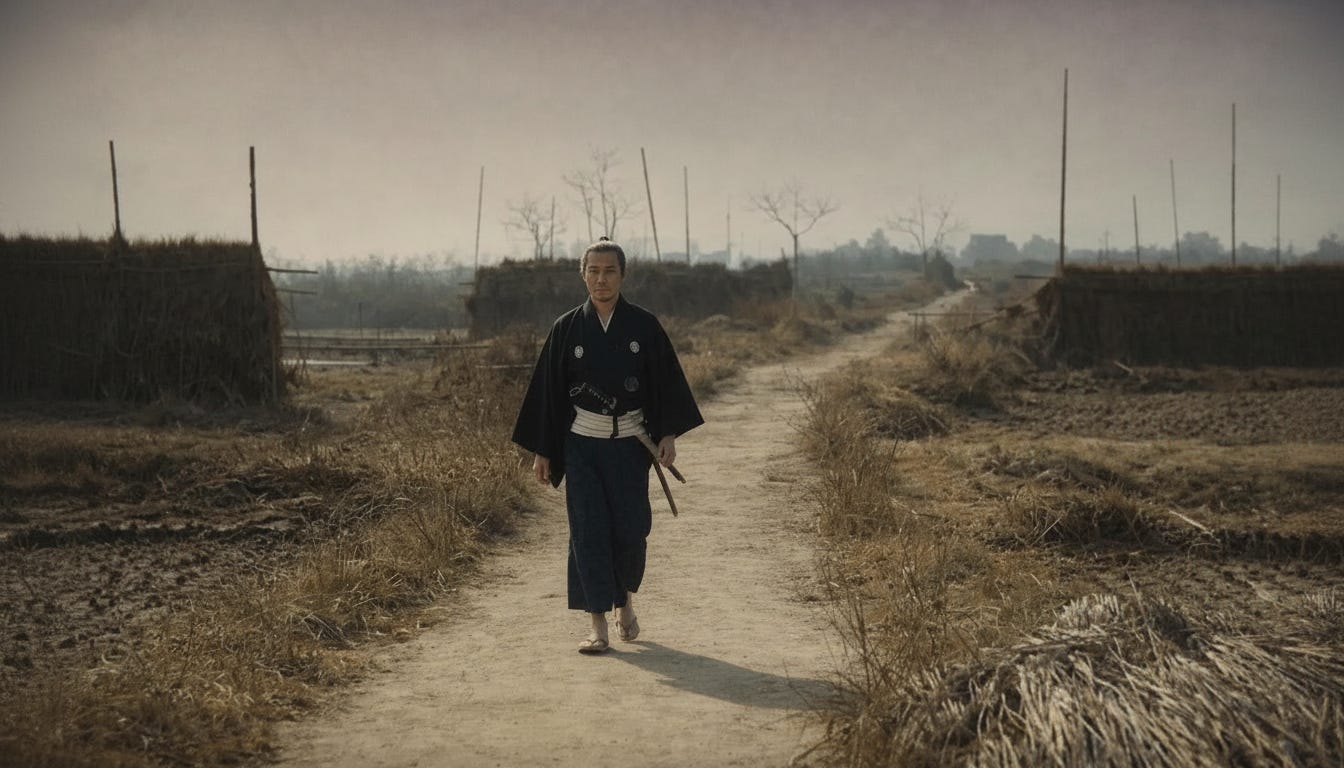
Training could involve more than swordsmanship alone. A warrior’s education might also include spear, archery, horsemanship, gunnery, strategy, etiquette and the cultivation of judgement under pressure. Even where swordsmanship dominates the modern image of musha shugyō, the wider martial culture was never far away.
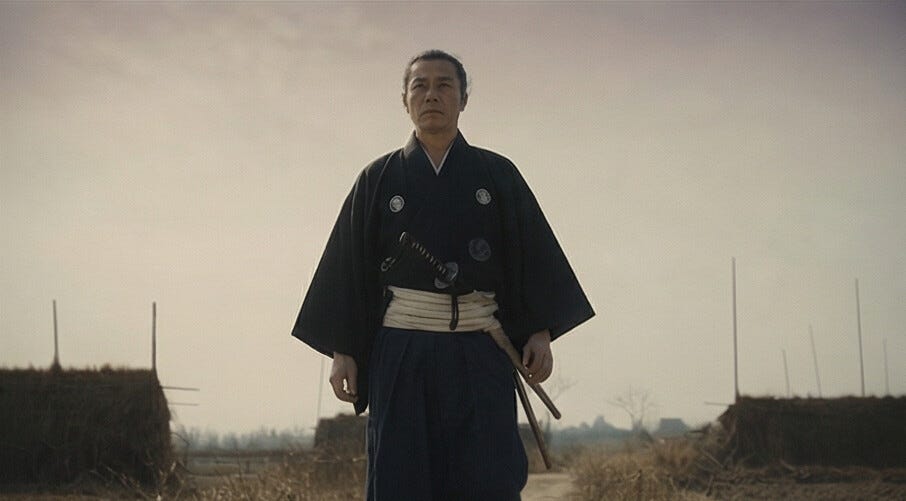
Travel itself formed part of the discipline. Roads were long, expense was real, and movement between regions required purpose and self-control. A man away from home had to rely on reputation, introductions and his own conduct. So musha shugyō involved more than physical skill. It also tested seriousness, endurance and temperament.
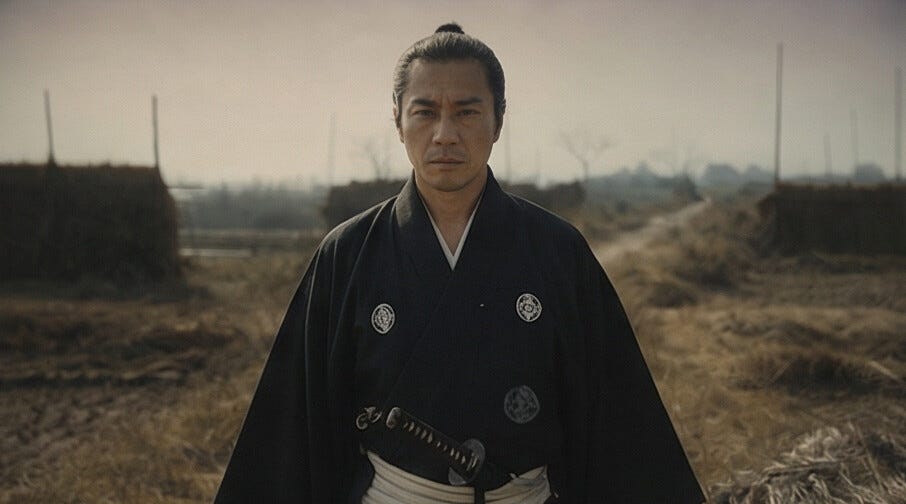
Teachers, Styles and the Search for Authority
One of the most interesting aspects of musha shugyō is that it placed the individual warrior in direct contact with authority outside his own school. A student trained under one master might discover that another teacher emphasised a completely different approach. One school might value strong initiative and direct attack. Another might focus on timing, deception, restraint or control of distance.
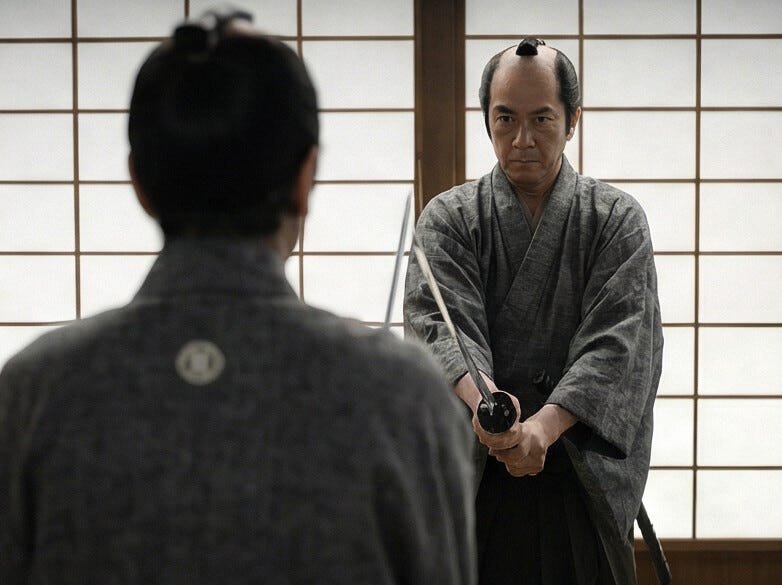
For that reason, musha shugyō should not be imagined simply as a trail of duels. It could also be a process of comparison. Which teacher had the stronger reputation? Which school produced the more convincing swordsmen? Which methods held up under pressure, and which looked impressive only in the training hall?
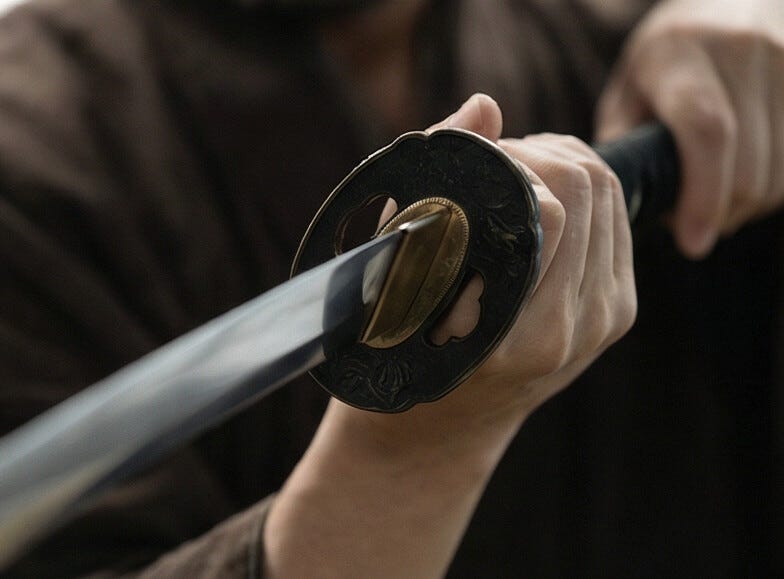
A renowned master could attract students from far beyond his own region, and a successful traveller might return home not only with greater skill, but with the prestige of having studied under notable figures or tested himself successfully against respected traditions. In that sense, musha shugyō was part personal discipline, part martial education, and part reputation-building.
Famous Examples
Several well-known swordsmen are associated with musha shugyō, though not always in the same way, and not always with the same degree of certainty.
Miyamoto Musashi is the obvious example. In later memory he became the wandering swordsman par excellence, travelling widely, engaging in contests, and building his name through repeated martial testing. Whatever one makes of the legend that later gathered around him, Musashi represents the best-known image of the swordsman who refused to remain confined within one small circle of instruction or reputation.
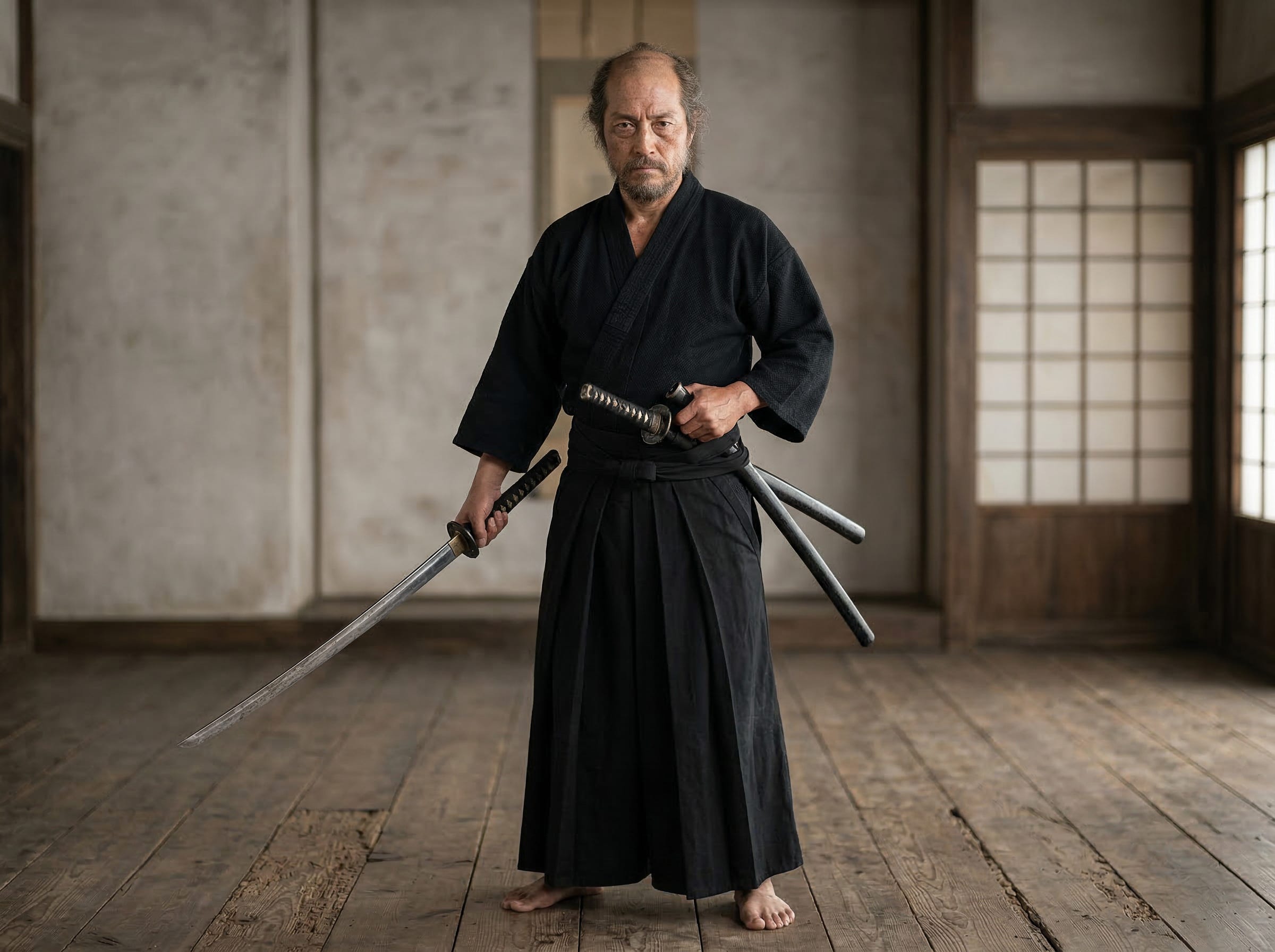
Yagyū Jūbei presents a rather different case. He is often associated with a period away from formal service, during which he is said to have travelled and deepened his training. The details are not entirely secure, and later fiction did much to enlarge his fame. Still, that uncertainty is revealing in itself. Jūbei became one of the great examples of the mysterious travelling swordsman precisely because musha shugyō had such power in the samurai imagination.
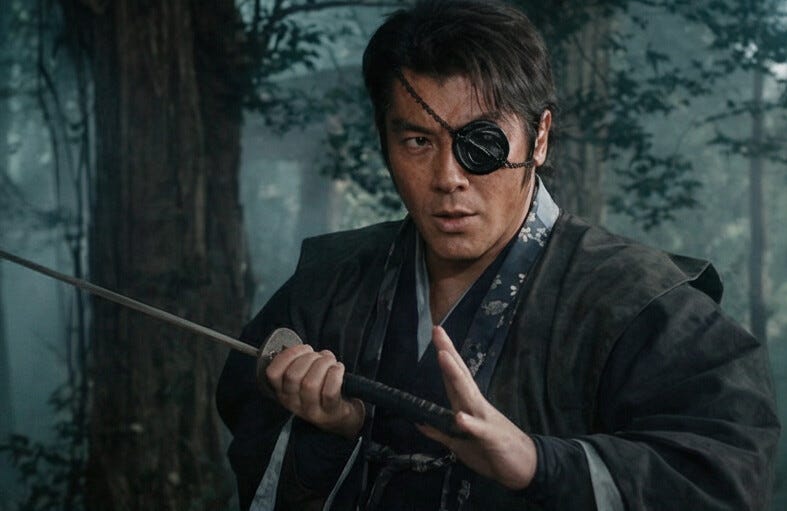
Tsukahara Bokuden is perhaps the most useful example for understanding the older martial tradition behind the idea. He is regularly described as travelling while young in order to test himself, gain experience and establish his name. In Bokuden’s case, musha shugyō appears not as theatrical wandering, but as part of the formation of a recognised master.
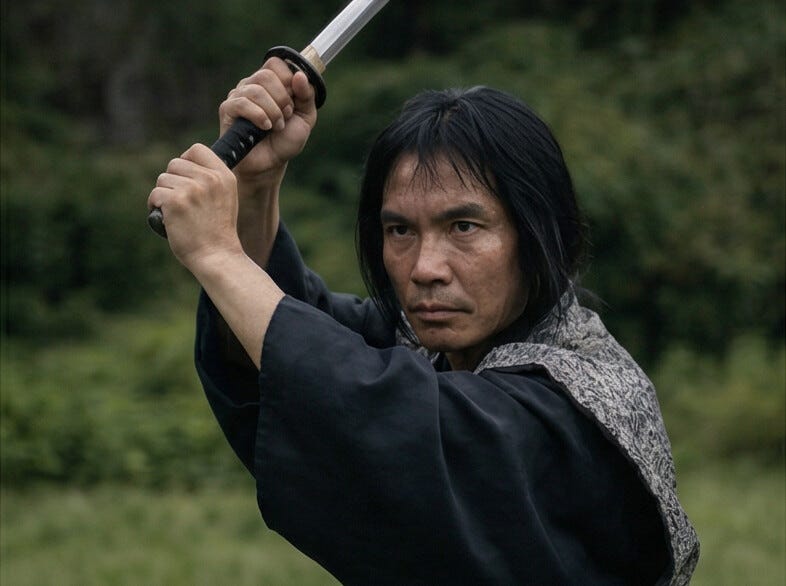
Taken together, these three names work well. Musashi represents the best-known expression of the wandering martial ideal, Jūbei shows how easily history could merge with legend, and Bokuden anchors the idea more firmly in an older and more practical martial tradition.
From Martial Testing to Martial Refinement
Seen from a modern perspective, musha shugyō can also tell us something about how martial practice has changed. In the older martial world, movement between teachers and lineages was often part of development. A swordsman might train under one master, receive transmission, and then continue travelling in order to test himself, broaden his knowledge, or encounter other traditions. In some cases, that process led to a distinct interpretation, and eventually to the foundation of a new school.
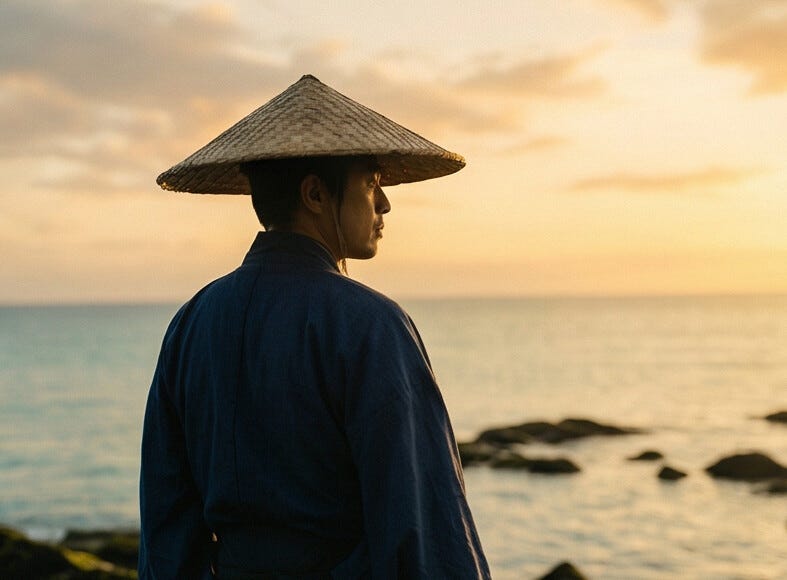
Modern Japanese sword arts such as iaidō, battōdō and kendō are shaped by very different conditions. They are no longer preparing men for combat in the old sense, and their aims often place greater emphasis on refinement, discipline, technical consistency and the long-term development of the student within a stable teaching environment. In that world, constant movement from school to school is usually not encouraged in the same way. Loyalty to one teacher or organisation, steady progression through a recognised curriculum, and the preservation of a particular tradition are often valued more highly than open-ended martial wandering.
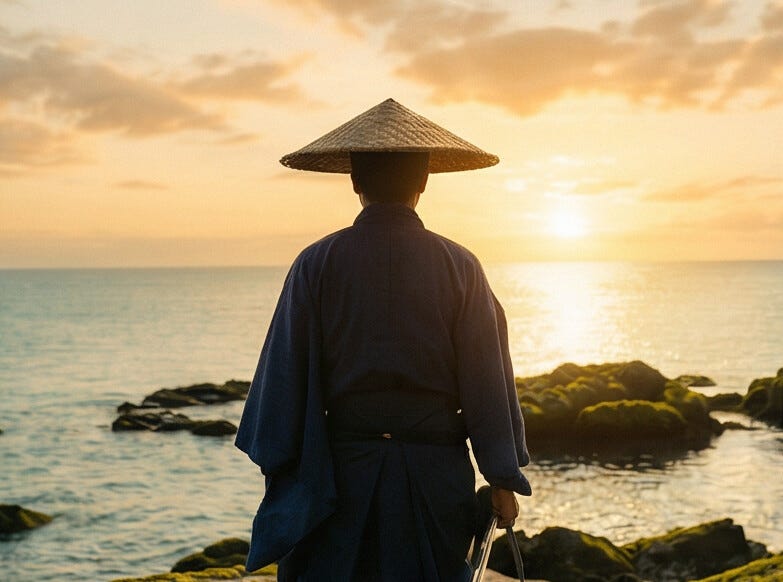
That shift tells us something important. Musha shugyō belonged to a time when martial skill was expected to prove itself in a wider and more competitive field. Modern practitioners, by contrast, usually work within systems that value depth over wandering, continuity over disruption, and refinement over combat testing. That does not make modern practice lesser, only different. But it does explain why musha shugyō now feels so distant, and why it is often remembered more as a romantic ideal than as a normal part of martial training.
Conclusion
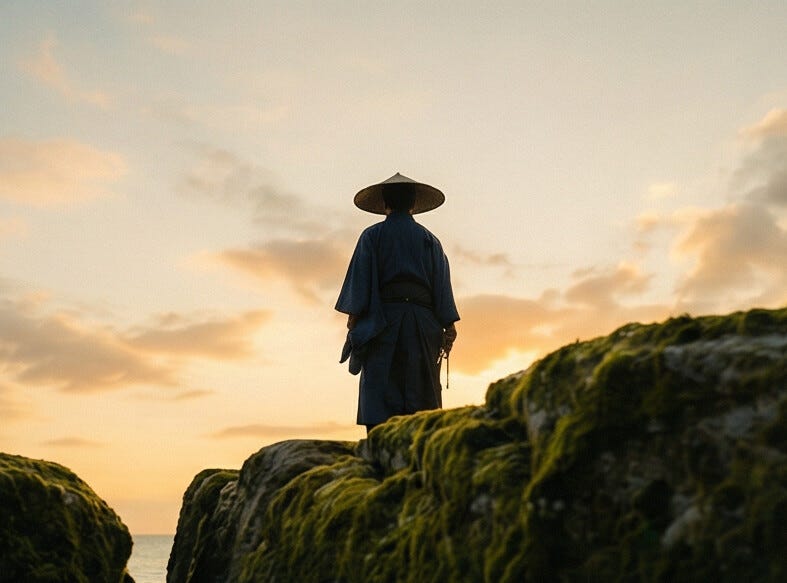
Once the romantic varnish is stripped away, musha shugyō becomes far more revealing. It was not simply a warrior wandering in search of adventure. It was a method of testing skill, judgement and reputation against the wider martial world. The man on the road was moving through a competitive landscape of schools, teachers and rival traditions, measuring not only himself, but the value of the training he had received.
That is why the idea mattered. In a culture where authority in arms had to be earned as well as inherited, musha shugyō offered a way to prove that one’s skill could stand outside the safety of familiar surroundings. It was not wandering for its own sake. It was a search for validation in a world where lineage, method and personal ability were all open to challenge.
Thank You for Reading
Thank you for taking the time to read this article.
Each post represents many hours of research, writing and image preparation, all with the aim of exploring samurai history and material culture in a clear and practical way.
Questions, comments and corrections are always welcome. Thoughtful discussion is one of the best ways to deepen our understanding of these objects and the world they come from.
Your interest and feedback help shape future articles and contribute to the growing community around this amazing subject.
All images are copyright © David Thatcher. Raimu Ltd 2026
Thanks David again for another page in my education. Very informative 👍
In my view, I would guess leaving your teacher and wandering through different territories on your own would turn you into a men real quick. When I hike or travel, there is always a point of no return. You are too far from home. There is a gut feeling knowing you are on your own that you can't get unless you leave the familiar. It helps to build confidents as well and leadership skills.
Having a sword by your side and knowing how to use it, and or when not to use it must have been very important.
Interesting read, Thanks for the article.